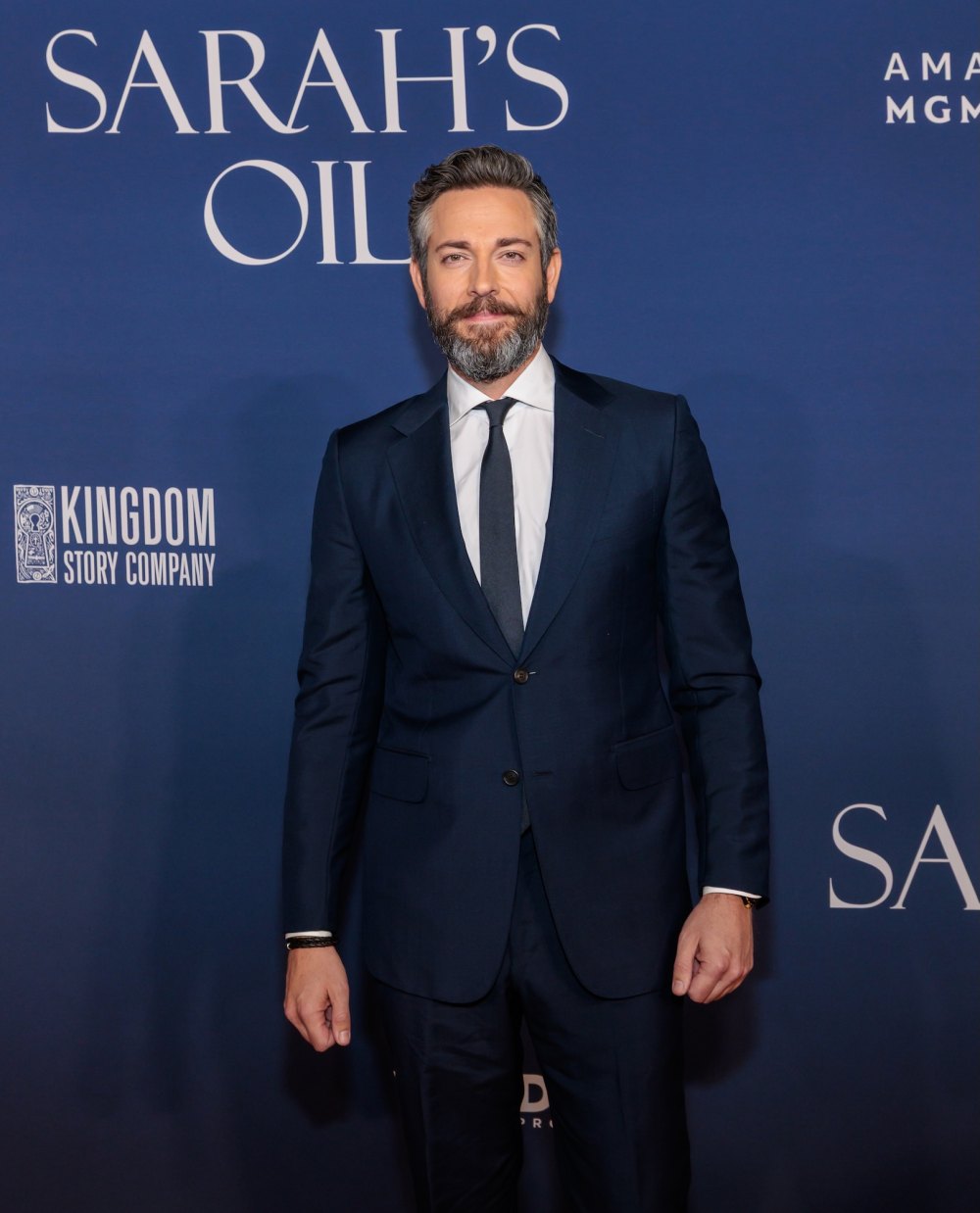
The lights were bright, the crowd was buzzing, and the room hummed with the energy of a high-profile dinner—until everything changed in an instant. Actor Zachary Levi, known for his role as the charmingly awkward Shazam, found himself in the middle of a real-life crisis when gunfire erupted at the White House Correspondents’ Dinner (WHCD) gathering. What began as a night of glitz and political banter turned into a harrowing account of survival, as Levi offered one of the most detailed and visceral descriptions of the commotion inside the ballroom.
His words, shared in interviews and social media, painted a scene not of action-movie heroics, but of human instinct: confusion, fear, and the raw scramble to stay alive.
The Night That Turned Unexpectedly Violent
Inside the Washington Hilton, where the WHCD had gathered a constellation of political journalists, celebrities, and public figures, the mood was celebratory. Waiters circulated with cocktails, cameras flashed, and speeches drew polite laughter. Zachary Levi, seated at a table near the back, was engaging in conversation when the first signs of disruption emerged.
“It wasn’t loud at first,” Levi recalled. “More like a series of sharp, off-rhythm pops—like someone dropping trays. But then people started reacting. Heads turned. Then someone screamed.”
Unlike fictional scenes he’d acted out, this was unscripted. No cues. No director. Just reality unfolding in real time.
Within seconds, the ballroom transformed. Chairs scraped. Conversations cut off. Security personnel moved quickly, but the initial silence from the stage only deepened the confusion. Was it a prank? A malfunction? Or something far worse?
Levi, who has spoken openly about his past struggles with mental health, said his instincts kicked in almost immediately. “I remember thinking, ‘Don’t run toward the exits—someone might be waiting there.’ It sounds dramatic, but in that moment, it felt like the only logical choice.”
Inside the Ballroom: A Timeline of Panic
Eyewitness accounts are often fragmented, but Levi’s narrative provided a rare, coherent timeline of the chaos:
- First Sounds (8:14 PM): A few sharp noises, initially mistaken for dropped silverware or balloons popping.
- First Reactions (8:15 PM): Attendees looked around, some laughed nervously. A reporter ducked under a table.
- Security Response (8:16 PM): Hotel security and event staff began moving toward the sound, but no announcement was made.
- Mass Movement (8:17 PM): People began evacuating tables, some crawling, others pushing through narrow aisles.
- Levi’s Actions (8:18 PM): He guided two journalists—strangers—to a service corridor he’d noticed earlier, avoiding main doors.
“I wasn’t being brave,” he clarified later. “I was just trying not to add to the panic. But when you see someone frozen, your body moves before your brain catches up.”
This detail—his conscious effort to avoid escalating fear—set his account apart from other celebrity reactions. While some stars later posted vague social media statements, Levi offered specifics: floor layout, lighting changes, even the smell of spilled wine mixing with adrenaline.
Why His Account Stood Out
In an era of performative outrage and carefully curated public statements, Levi’s raw, unfiltered retelling resonated.
He didn’t claim heroism. He didn’t place himself at the center of the drama. Instead, he focused on the disorientation, the lack of clear instructions, and the eerie silence from organizers during the critical first minutes.
“It felt like we were being asked to pretend it wasn’t happening,” he said. “No announcements. No lights flashing. Just silence while people were running.”
This criticism struck a nerve. Event planners, security consultants, and crisis management experts later cited the WHCD response as a case study in failure—particularly the delay in public communication.
Levi’s description of attendees looking to celebrities or journalists for cues—rather than trained personnel—highlighted a deeper cultural issue: the blurring line between public figures and authority in moments of crisis.
The Role of Celebrities in Public Crises
Levi’s experience underscores a growing trend: civilians, especially public figures, often become de facto leaders during emergencies simply because they’re visible.
Consider these real-world parallels:
- During the 2017 Las Vegas shooting, actor Jason Aldean was on stage when gunfire began. His band’s quick exit helped signal the severity to the crowd.
- In the 2019 Christchurch mosque attacks, a news anchor live-tweeted updates from his phone, becoming a primary source before official channels responded.
- At the 2023 Astroworld Festival, artists like Drake and Travis Scott faced backlash for continuing performances amid crowd distress.
Levi didn’t take the mic. He didn’t give orders. But his movement—calm, purposeful, avoiding stampede routes—was observed and mirrored by others nearby.
“I didn’t realize people were following me until later,” he admitted. “That’s the scary part. We’re not trained for this. None of us were.”
This raises a critical question: should public figures receive basic crisis response training, much like flight attendants or lifeguards?
Event Security: Where the System Failed
Levi’s account also exposed flaws in the event’s security protocols:
- Delayed Communication: No PA announcement for nearly four minutes.
- Unclear Exit Signage: Many guests didn’t know where service corridors or emergency stairs were.
- Overreliance on Visible Staff: Security blended in, wearing dark suits without clear markings.
- No Active Shooter Protocol Drills: Attendees reported never seeing emergency briefings.
A former DHS advisor, speaking anonymously, noted: “High-profile events like the WHCD operate under the assumption that deterrence is enough. But deterrence fails when the threat gets inside.”
Levi’s suggestion? Brief guests upon entry. “Even 30 seconds: ‘Exits are here. If you hear gunfire, do this.’ It could save lives.”
The Emotional Fallout
In the days that followed, Levi didn’t retreat. He spoke to trauma counselors, joined advocacy groups calling for better event safety, and used his platform to amplify survivor stories.
But he also admitted to lasting effects: “I jump at loud noises now. I scan rooms. I don’t sit with my back to the door.”
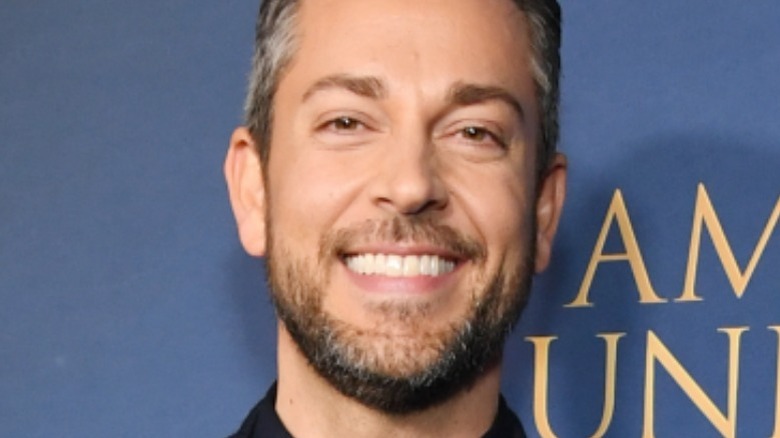
This personal reflection added depth to his public role. He wasn’t just a witness—he became a voice for the unseen trauma that lingers after headlines fade.
Mental health professionals point to “vicarious traumatization,” especially in individuals who experience crisis without direct physical harm. Symptoms include hypervigilance, sleep disruption, and emotional numbing—issues Levi acknowledged but didn’t dramatize.
What Attendees Can Learn from Levi’s Response
While no one plans to be in a shooting, behavior in the first 60 seconds can make a difference. Based on Levi’s actions, here’s a practical checklist for high-risk public events:
- Scan the room upon entry. Locate at least two exits, including service doors.
- Note staff identifiers. Are security personnel clearly marked?
- Avoid bottlenecks. Main doors may be blocked during evacuation.
- Stay low if moving. Reduces visibility and injury risk from debris.
- Don’t wait for announcements. If others are fleeing, move with purpose.
- Help without endangering. Guide others quietly—don’t shout or panic.
Levi didn’t follow a manual. But his choices align closely with FBI active shooter guidelines—proof that awareness, not heroism, is key.
Moving Forward: Safety Over Spectacle
The WHCD shooting reignited debate about the price of access and glamour in high-risk environments. Should journalists and celebrities risk their safety for a night of political theater?
Levi didn’t call for canceling events. But he urged organizers to prioritize safety over optics.
“Let’s stop pretending these things can’t happen,” he said. “We have protocols for fire. We have plans for medical emergencies. Why not for this?”
His words weren’t sensational. They were sensible. And in a media landscape often driven by outrage, that clarity cut through.
Zachary Levi didn’t set out to be a crisis witness. But his firsthand account—detailed, humble, and grounded—offered something rare: truth amid chaos. For anyone attending large public gatherings, his experience is a sobering reminder: preparation isn’t paranoia. It’s protection.
Stay aware. Stay ready. And when the unexpected hits, move with purpose—not panic.
FAQ
What was Zachary Levi doing at the WHCD? He was attending as a guest, invited through media and entertainment industry connections, not as a speaker or honoree.
Did Zachary Levi help anyone during the shooting? Yes, he guided two journalists to a service corridor, helping them avoid crowded exits.
How did Zachary Levi describe the sound of the gunfire? He said it started as sharp, irregular pops—like dropped trays—before escalating into rapid fire.
Was there an official response to Levi’s criticism of event security? Event organizers later acknowledged communication delays but have not released a full public review.
Has Zachary Levi spoken about PTSD since the incident? He’s discussed increased anxiety and hypervigilance but hasn’t formally diagnosed himself with PTSD.
Did the shooter enter the main ballroom? Reports confirm the gunfire originated near the ballroom but not from within the main seating area.
Is the WHCD changing its security protocols? While no official statement has been made, sources indicate enhanced screening and staff training are under review.
FAQ
What should you look for in Zachary Levi Recalls Chaos During WHCD Shooting? Focus on relevance, practical value, and how well the solution matches real user intent.
Is Zachary Levi Recalls Chaos During WHCD Shooting suitable for beginners? That depends on the workflow, but a clear step-by-step approach usually makes it easier to start.
How do you compare options around Zachary Levi Recalls Chaos During WHCD Shooting? Compare features, trust signals, limitations, pricing, and ease of implementation.
What mistakes should you avoid? Avoid generic choices, weak validation, and decisions based only on marketing claims.
What is the next best step? Shortlist the most relevant options, validate them quickly, and refine from real-world results.