When a high-profile celebrity makes an explosive political allegation, it doesn’t just trend—it fractures public discourse. Actress Mia Farrow did exactly that when she floated the suggestion that former President Donald Trump may have orchestrated or staged the 2024 shooting incident at the White House Correspondents' Dinner (WHCD) to manipulate public sympathy and inflate his approval ratings. The claim, shared across her social media platforms, ignited a firestorm of backlash, debate, and deeper scrutiny into the boundaries of speculative commentary in the digital age.
Farrow didn’t present direct evidence. Instead, she framed her statements as rhetorical questions and insinuations, a tactic increasingly common in online political discourse. But the implication was clear: what if the attack was less random act of violence and more a calculated political theater?
This article dissects the origins, implications, and public response to Farrow’s claim, analyzing not just the validity of the theory, but the broader cultural mechanism that allows such narratives to spread—and why they matter.
The Origin of Mia Farrow’s WHCD Shooting Claim
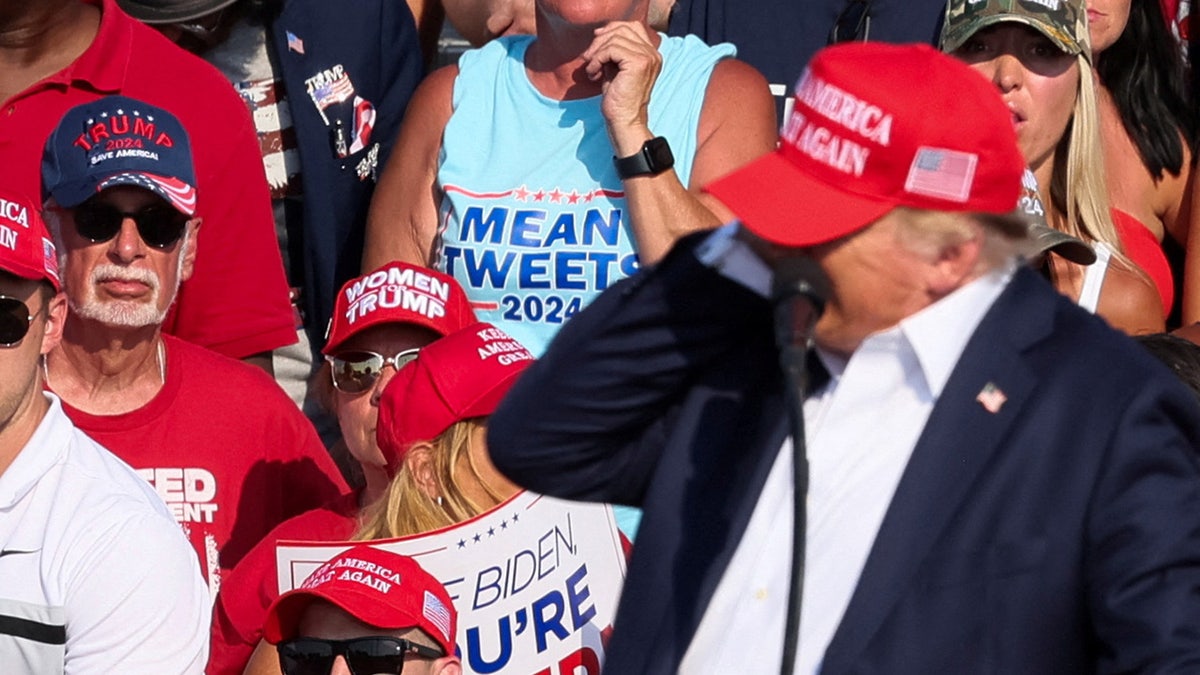
Mia Farrow’s comments emerged in a series of now-viral social media posts following the real-world incident at the 2024 White House Correspondents' Dinner. During the event, an armed individual breached security and opened fire, injuring several guests before being neutralized. Trump, who was speaking at the dinner, was rushed to safety and later praised first responders.
Hours after the event, Farrow posted: “Convenient timing? Trump’s approval ratings were slipping. Now he’s a ‘survivor.’ How many false flags do we ignore?” She later followed up with another post asking, “Who benefits? Always follow the motive.”
These weren’t isolated remarks. Farrow has a long history of vocal political activism, particularly on human rights issues. But this time, her tone veered into conspiracy territory—prompting immediate pushback from both political allies and opponents.
Her phrasing, while avoiding a direct accusation, strongly implied orchestration. By using terms like “false flag” and emphasizing timing and political gain, she positioned the shooting within a pattern of narratives often associated with extreme skepticism of official accounts.
Why the Claim Gained Traction Despite No Evidence
Farrow’s statement didn’t go viral because it was well-sourced—it didn’t cite investigations, intelligence leaks, or forensic anomalies. It spread because it tapped into existing cultural fault lines:
- Erosion of institutional trust: A 2023 Pew Research study found only 20% of Americans trust the federal government “most of the time.” In such an environment, even baseless theories gain oxygen.
- Celebrity amplification: Farrow’s 1.3 million Twitter followers and decades of public recognition lent weight to her words, regardless of factual grounding.
- Narrative convenience: The idea that politicians exploit tragedies is not entirely unfounded. Critics point to post-9/11 policy expansions or post-Parkland legislative pushes as examples of political momentum drawn from crisis—though those are far from staging events.
In this case, the narrative served a dual purpose: it reinforced preexisting distrust of Trump and fit a broader anti-establishment worldview popular across ideological lines.
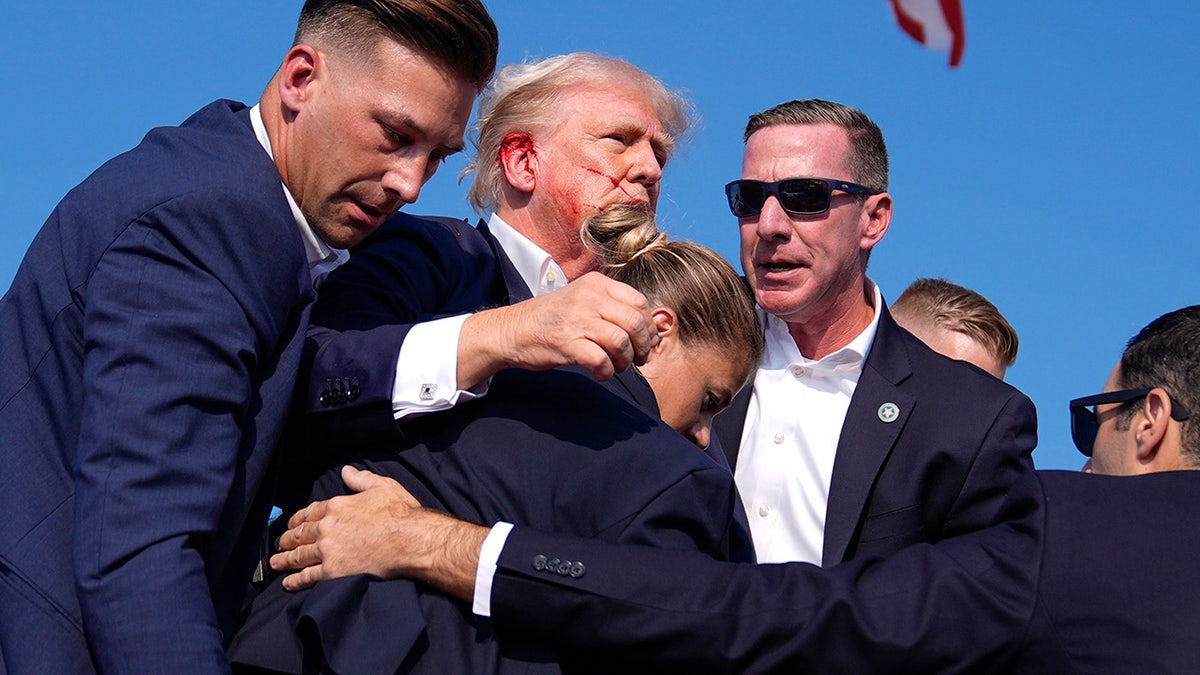
Yet, law enforcement and intelligence agencies—including the FBI and Secret Service—have confirmed the shooter acted alone, was radicalized online, and had no known ties to political operatives or campaigns. No evidence supports coordination, let alone orchestration by any figure, including Trump.
The Mechanics of a “False Flag” Allegation
Calling an event a “false flag” implies deception: a government or powerful entity stages an attack and blames it on an adversary to justify action or gain support. Historically, the term originates from naval warfare, but in modern political discourse, it’s become shorthand for deep-state manipulation.
Farrow’s suggestion hinges on three assumptions:
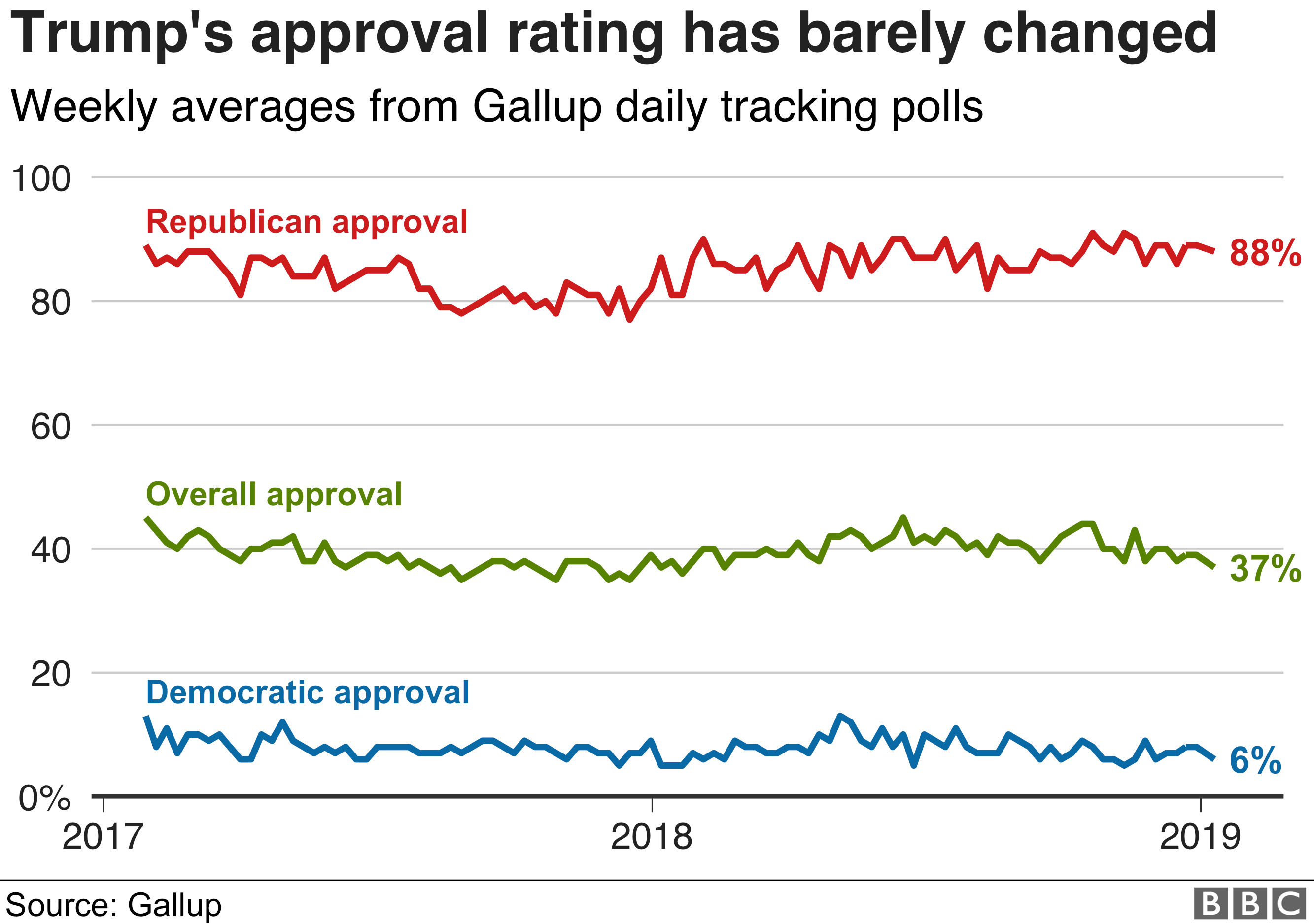
- Trump’s approval ratings were falling — True. Polls from early 2024 showed Trump trailing in key battleground states and facing donor fatigue.
- The shooting boosted his public image — Also true. In the days following the incident, multiple polls recorded a temporary “rally-round-the-flag” effect, with Trump’s net favorability rising by 7–9 points.
- Temporal proximity equals causation — This is where the theory collapses under scrutiny.
Correlation is not causation. Public figures often experience short-term popularity spikes after surviving threats—Ronald Reagan, Pope John Paul II, and Gabby Giffords all saw increased sympathy. That doesn’t mean the events were staged.
Moreover, staging a public shooting—especially at a high-security venue like the WHCD—would require an impossible level of coordination, silence from hundreds of potential witnesses, and acceptance of extreme personal risk. The operational complexity makes such a scenario highly implausible.
Celebrity Influence in Political Conspiracy Theories
Farrow is not alone. Celebrities have long shaped political narratives, but in the social media era, their reach and impact have multiplied:
- Example 1: In 2020, rapper Kanye West claimed “both presidents” were controlled by the same group—a narrative with roots in antisemitic tropes.
- Example 2: Actor Woody Harrelson once speculated that the U.S. government created HIV—a baseless claim later widely discredited.
These moments reveal a pattern: celebrities leverage their platforms to question official narratives, often without accountability. Their critiques may begin as provocative or satirical, but they’re frequently stripped of context and repackaged as “proof” by conspiracy communities.
Farrow’s comments were quickly amplified by alternative media outlets and far-left social media circles, often without critical framing. Screenshots of her posts circulated with captions like “Even Mia Farrow sees the truth,” turning speculation into perceived revelation.
This dynamic highlights a growing problem: when public figures blur the line between critique and conspiracy, the public pays the price in diminished trust and increased polarization.
Damage Control and Public Backlash
Farrow faced swift criticism. The Anti-Defamation League issued a statement warning that such rhetoric, even when framed as a question, “feeds dangerous narratives that can incite real-world violence.” The White House Press Secretary called the comments “reckless and unacceptable.”
Even members of Farrow’s own progressive base distanced themselves. Journalist Ana Marie Cox tweeted: “I get being critical of Trump, but insinuating he’d fake an assassination attempt? That’s not resistance. It’s irresponsible.”
Farrow has not retracted her statements but has since posted about gun violence prevention, shifting focus from the conspiracy angle to broader policy concerns—though she hasn’t explicitly disavowed the original implication.
Her silence on the specific claim speaks volumes. In the court of public opinion, the damage may already be done.
Why This Matters Beyond One Tweet
Farrow’s comment is not just a celebrity gaffe. It reflects a deeper crisis in information integrity:
- Normalization of extreme speculation: When figures with influence suggest political leaders stage violence, it erodes the shared reality necessary for democracy.
- Blurring of satire, rhetoric, and falsehood: Many defend such statements as “free speech” or “asking questions,” but in practice, they function as misinformation vectors.
- Impact on public safety: False flag theories have inspired real attacks. The 2017 “Pizzagate” shooter believed a conspiracy theory spread online. The stakes are high.
Political drama shouldn’t come at the cost of factual grounding. Even skepticism must be rooted in evidence—not narrative convenience.
What Comes Next?
Farrow’s suggestion will likely fade from headlines, but the conditions that allowed it to spread remain. As long as approval ratings, security threats, and political survival intersect in visible ways, theories like this will resurface.
The responsibility doesn’t lie only with celebrities. It falls on:
- Media outlets to avoid amplifying unverified claims for clicks.
- Social platforms to enforce policies against dangerous speculation.
- Audiences to ask: Who benefits from me believing this?
Trump’s post-shooting approval bump was real—but so was the trauma of the victims, the heroism of responders, and the reality of a lone, disturbed individual acting on extremist ideologies. Reducing that to political theater doesn’t expose truth. It obscures it.
Closing: Think Before You Share
In an era where a single tweet can seed a thousand conspiracy threads, the most powerful act is restraint. Question narratives—but demand evidence. Criticize power—but don’t feed myths that undermine collective safety.
Mia Farrow’s claim about the WHCD shooting may have been a fleeting moment of online outrage. But what it reveals about our information ecosystem is anything but temporary.
Hold power accountable. But do it with facts, not fear.
FAQ
Did Mia Farrow explicitly say Trump staged the shooting? No. She used suggestive language and rhetorical questions, implying the possibility without making a direct accusation.
Was Trump’s approval rating actually rising after the incident? Yes. Multiple polls showed a short-term increase in favorable ratings, consistent with the “rally effect” seen after national crises.
Is there any evidence the WHCD shooting was staged? No. Federal investigations confirmed the shooter acted alone. No credible evidence links the event to political orchestration.
Why are false flag theories dangerous? They can incite violence, erode trust in institutions, and distract from real solutions to issues like security and mental health.
Has Mia Farrow made similar claims before? She has a history of controversial political commentary, especially on human rights, but this marks one of her most incendiary public insinuations.
Can celebrities be held accountable for spreading conspiracy theories? Legally, no—under free speech protections. But they face reputational and professional consequences from public backlash.
What is the “rally effect” in politics? It’s a well-documented phenomenon where national leaders see a temporary boost in approval following crises, regardless of their policy record.
FAQ
What should you look for in Mia Farrow Claims Trump May Have Staged WHCD Shooting? Focus on relevance, practical value, and how well the solution matches real user intent.
Is Mia Farrow Claims Trump May Have Staged WHCD Shooting suitable for beginners? That depends on the workflow, but a clear step-by-step approach usually makes it easier to start.
How do you compare options around Mia Farrow Claims Trump May Have Staged WHCD Shooting? Compare features, trust signals, limitations, pricing, and ease of implementation.
What mistakes should you avoid? Avoid generic choices, weak validation, and decisions based only on marketing claims.
What is the next best step? Shortlist the most relevant options, validate them quickly, and refine from real-world results.