You scroll past another flawless influencer, another curated highlight reel, and feel that quiet sting—like you don’t measure up. But what if beauty wasn’t about perfection? What if your cracks, scars, and stumbles weren’t flaws, but the very things that define you?
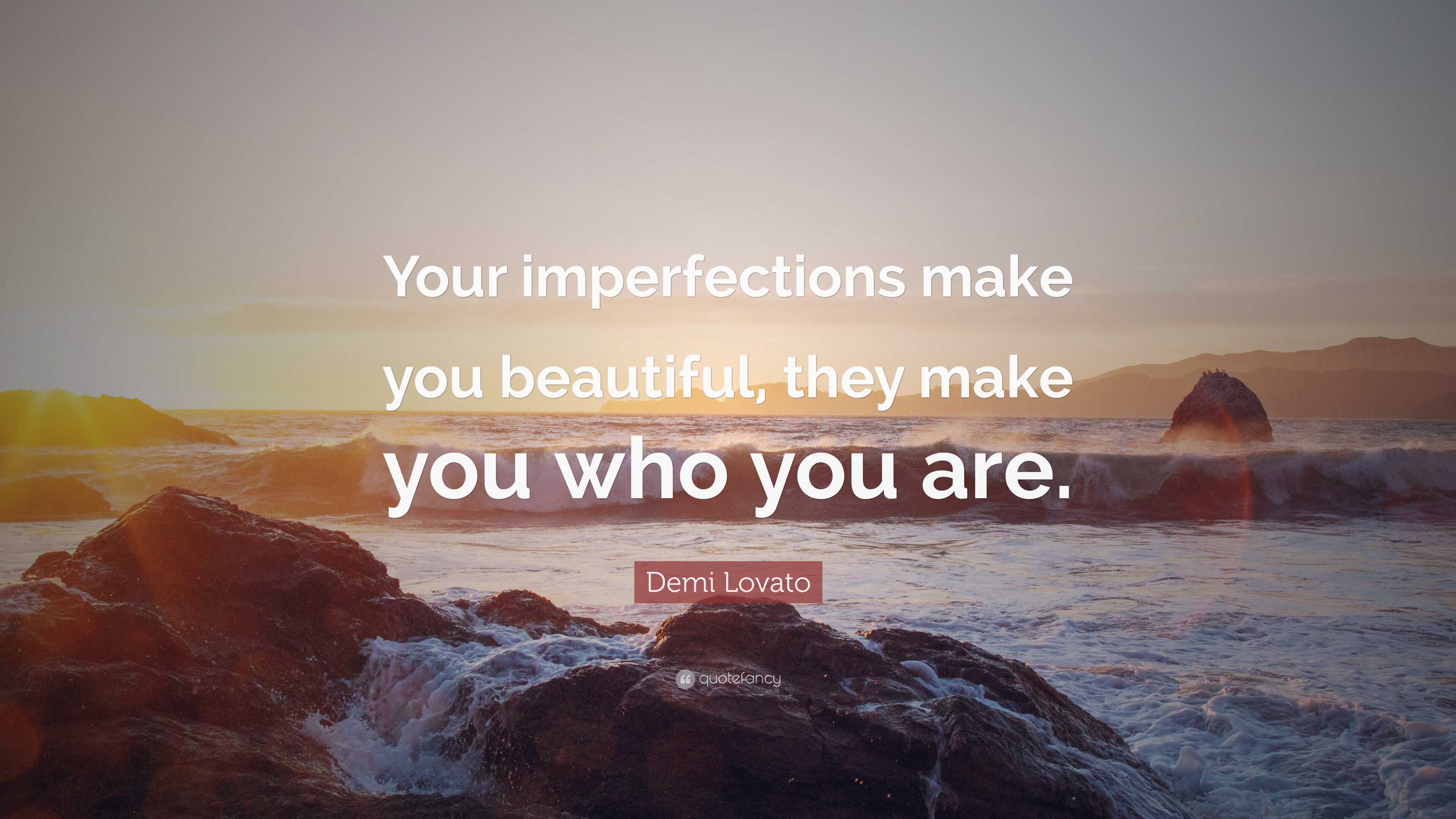
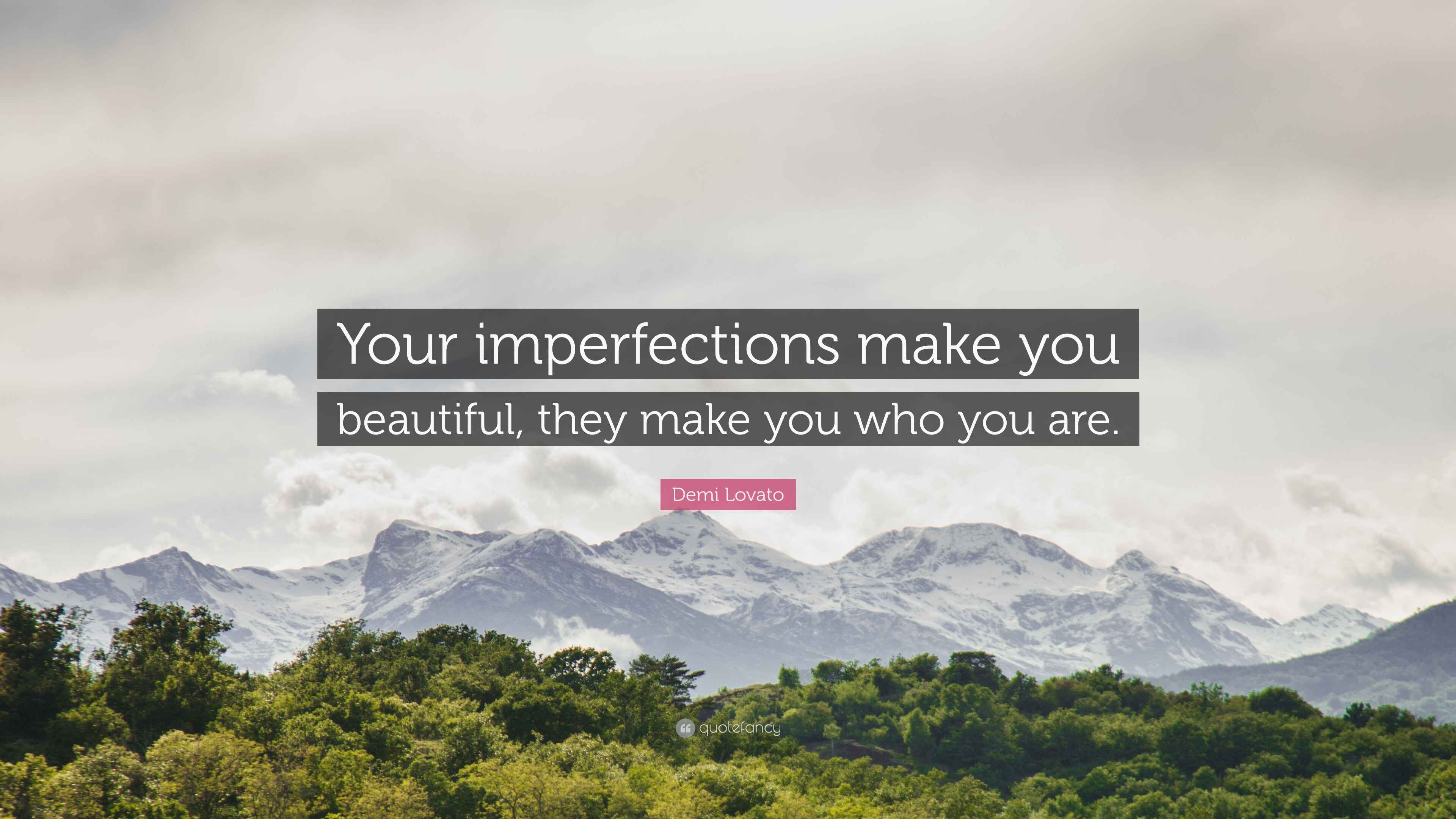
That’s the heart of Demi Lovato’s enduring quote: "Your imperfections make you beautiful. They make you who you are. So just be yourself. Love yourself for who you are." More than a feel-good soundbite, this statement cuts through the noise of modern self-image culture with radical honesty. It’s a mirror held up to our collective obsession with flawlessness—and an invitation to something deeper: authenticity.
This isn’t just pop philosophy. It’s a distillation of decades of personal battle, public scrutiny, and hard-won wisdom from one of Hollywood’s most vulnerable truth-tellers.
The Weight Behind the Words: Demi Lovato’s Journey
Demi Lovato didn’t offer this quote from a place of ease. They’ve lived it—through eating disorders, substance abuse, bipolar diagnosis, and multiple rehab stays, all under the glare of paparazzi lights. Their 2017 overdose nearly ended their life. Yet, from that darkness emerged a voice louder than any chart-topping single.
When Demi says, “Your imperfections make you beautiful,” they’re speaking as someone who once believed the opposite. For years, they tried to meet impossible standards—of body, behavior, and performance. Their early Disney image demanded purity, discipline, and restraint. But beneath the surface, self-loathing festered.
It wasn’t until they began therapy, embraced vulnerability in interviews, and shared raw lyrics in songs like Skyscraper and Anyone that healing started. Their quote isn’t just motivational—it’s medicinal. It’s the kind of truth you can only speak after surviving your own war.
“I used to think I had to be perfect to be loved. Now I know love starts with accepting the parts I used to hide.”
This shift didn’t happen overnight. It came through relapses, setbacks, and the courage to keep returning to recovery. That’s what gives the quote its weight: it’s not theoretical. It’s forged in real human fire.
The Myth of Perfection in Modern Culture
We live in a world that sells perfection like a product. Social media filters erase pores, algorithms reward outrage over nuance, and self-help gurus promise “flawless” lives in 30 days. The message is clear: fix yourself, optimize yourself, sell yourself.
But perfection is a trap. Psychologically, it’s linked to anxiety, burnout, and chronic dissatisfaction. A 2020 study in the Journal of Personality found that perfectionism has risen steadily since the 1980s—especially among young adults—and correlates strongly with depression and suicidal ideation.
Demi’s quote dismantles this myth. It says: You are not a project to be completed. You are a person to be lived.
Consider the gym selfie culture. Millions edit their bodies into unrecognizable shapes, chasing an aesthetic ideal that even the stars don’t actually possess. But when Demi posted unfiltered photos—showing cellulite, stretch marks, and post-surgery scars—they sparked a wave of relief. Not admiration. Relief.
Because finally, someone famous said: This is real. And real is okay.
Why Self-Love Isn’t Just a Trend
"Love yourself" is everywhere now—on mugs, T-shirts, Instagram captions. But too often, it’s stripped of meaning. Real self-love isn’t narcissism. It’s not ignoring your flaws. It’s seeing them clearly—and choosing compassion anyway.
Demi’s message goes beyond surface-level affirmation. It’s about integration. Your anxiety? Part of you. Your past failures? They shaped you. Your body at this moment? It’s carried you through everything.
Self-love in action looks like: - Not canceling plans because you don’t feel “camera-ready” - Speaking up in therapy even when it’s uncomfortable - Letting yourself cry without calling it weakness - Forgiving yourself for saying the wrong thing yesterday
One common mistake? Waiting to love yourself after you’ve “fixed” everything. Lose the weight. Get the promotion. Quit the bad habit. But Demi’s philosophy flips that: love isn’t the reward for transformation. It’s the foundation.
You don’t earn self-worth. You claim it.
Struggle as a Catalyst for Strength
Demi didn’t become a symbol of resilience by avoiding pain. They became one by walking through it—and refusing to let it define them.
Their quote doesn’t pretend struggle is desirable. It acknowledges that pain exists—and then redefines its role. Your breakdowns aren’t disqualifiers. They’re data points. They teach you about your limits, your needs, your courage.
Think of trauma like a fracture in bone. The body doesn’t just heal—it rebuilds stronger at the break site. Emotional pain can work the same way. Survivors of abuse often develop extraordinary empathy. People with depression learn deep introspection. Those with addiction understand surrender and renewal like few others.
Demi’s journey reflects this. Their bipolar disorder isn’t romanticized. It’s managed. But from that management came advocacy, music, and a platform to help others.
Real talk: not every struggle leads to fame or fortune. But every struggle holds the potential for meaning. The key is not to ask, Why me? but What now?
Success Reimagined: Beyond Fame and Numbers
Demi Lovato has platinum records, millions of followers, and a documentary on a major streaming platform. By traditional metrics, they’re wildly successful.
But their quote suggests a different definition of success—one not tied to external validation.
Real success, according to this worldview, looks like: - Waking up and not hating your reflection - Setting a boundary with a toxic friend - Asking for help instead of pretending you’re fine - Creating art that feels honest, even if no one sees it
This redefinition is crucial. Too many people chase promotions, likes, or relationships hoping they’ll finally feel “enough.” But external wins don’t heal internal wounds.
Demi’s story proves that you can have fame and still feel empty. And you can lose everything and still find peace.
True success is alignment—living in a way that reflects your values, even when it’s inconvenient. It’s choosing recovery over image. It’s showing up imperfectly, consistently.
The Ripple Effect of Authenticity
When Demi speaks about self-acceptance, it doesn’t just help individuals. It shifts culture.
Consider the rise of body neutrality movements, mental health hashtags, and therapy normalization—all accelerated by celebrities choosing vulnerability over polish.
One powerful example: after Demi came out as non-binary and discussed their gender journey publicly, GLAAD reported a 40% spike in online searches related to gender identity and pronoun use. That’s the ripple effect of one person saying, This is who I am.
Authenticity is contagious. When you stop performing, others feel permission to do the same. A manager admitting they’re overwhelmed gives their team space to speak up. A friend sharing their therapy journey reduces stigma. A post about relapse reminds others they’re not alone.
Imperfection, shared, becomes connection.
How to Live
This Quote Every Day
This isn’t just inspiration for a Monday morning post. It’s a practice.
Here’s how to embody Demi’s message in real life:
- Replace self-criticism with curiosity
- Instead of “I’m such a failure,” try “What happened? What can I learn?” The tone shift matters.
- Celebrate small acts of courage
- Sent a vulnerable text? Made it through a panic attack? That’s strength. Acknowledge it.
- Curate your inputs
- Unfollow accounts that make you feel “less than.” Fill your feed with diverse bodies, real stories, and honest creators.
- Use your voice
- Share your struggles in safe spaces. Not for attention—but for connection.
- Reframe “flaws” as features
- That temper? Might be passion. That sensitivity? Could be empathy. Look at so-called weaknesses through a new lens.
- Forgive relapses
- Recovery isn’t linear. You’ll have days you backslide. That doesn’t erase progress.
- Define your own metrics
- What does “enough” look like for you? Write it down. Revisit it often.
Final Thought: Your Scars Are Not Shame
Demi Lovato’s quote of the day isn’t about positivity. It’s about truth.
It’s for the person hiding their medication bottles. The parent ashamed of their anger. The student faking confidence before exams. The artist afraid their work isn’t “good enough.”
Your imperfections aren’t mistakes. They’re proof you’ve lived. They’re the texture of your story. And they don’t make you unworthy—they make you real.
So stop waiting to be fixed. Start learning to belong—to yourself.
Because the world doesn’t need more polished masks. It needs more people brave enough to say: I’m not perfect. And that’s exactly why I matter.
Act now: Today, do one thing that honors your real self—no filters, no excuses. Post an unedited photo. Say “I’m struggling” to a friend. Write down three things you love about yourself, flaws included. That’s where healing begins.
FAQ
What is Demi Lovato’s most famous quote about self-love? One of their most cited lines is: "Your imperfections make you beautiful. They make you who you are. So just be yourself. Love yourself for who you are."
Has Demi Lovato spoken about mental health struggles publicly? Yes. Demi has openly discussed their battles with bipolar disorder, eating disorders, addiction, and recovery, using their platform to advocate for mental health awareness.
How can I practice self-love like Demi Lovato suggests? Start by accepting your emotions without judgment, setting healthy boundaries, seeking therapy, and replacing negative self-talk with compassionate language.
Does Demi Lovato identify as non-binary? Yes. In 2021, Demi came out as non-binary and uses they/them pronouns, advocating for gender diversity and inclusion.
Why is Demi Lovato’s message about imperfection powerful? Because it comes from lived experience—not theory. Their journey from self-destruction to self-acceptance gives the message authenticity and depth.
Can imperfections really be strengths? Yes. Traits often seen as flaws—like sensitivity, stubbornness, or anxiety—can become strengths when understood and channeled intentionally.
How does social media affect self-perception? It often promotes unrealistic standards, leading to comparison and low self-worth. Curating a mindful feed and limiting usage can help protect mental health.
FAQ
What should you look for in Demi Lovato’s Quote of the Day: Embrace Imperfection, Live Fully? Focus on relevance, practical value, and how well the solution matches real user intent.
Is Demi Lovato’s Quote of the Day: Embrace Imperfection, Live Fully suitable for beginners? That depends on the workflow, but a clear step-by-step approach usually makes it easier to start.
How do you compare options around Demi Lovato’s Quote of the Day: Embrace Imperfection, Live Fully? Compare features, trust signals, limitations, pricing, and ease of implementation.
What mistakes should you avoid? Avoid generic choices, weak validation, and decisions based only on marketing claims.
What is the next best step? Shortlist the most relevant options, validate them quickly, and refine from real-world results.